Field brief — the short answer
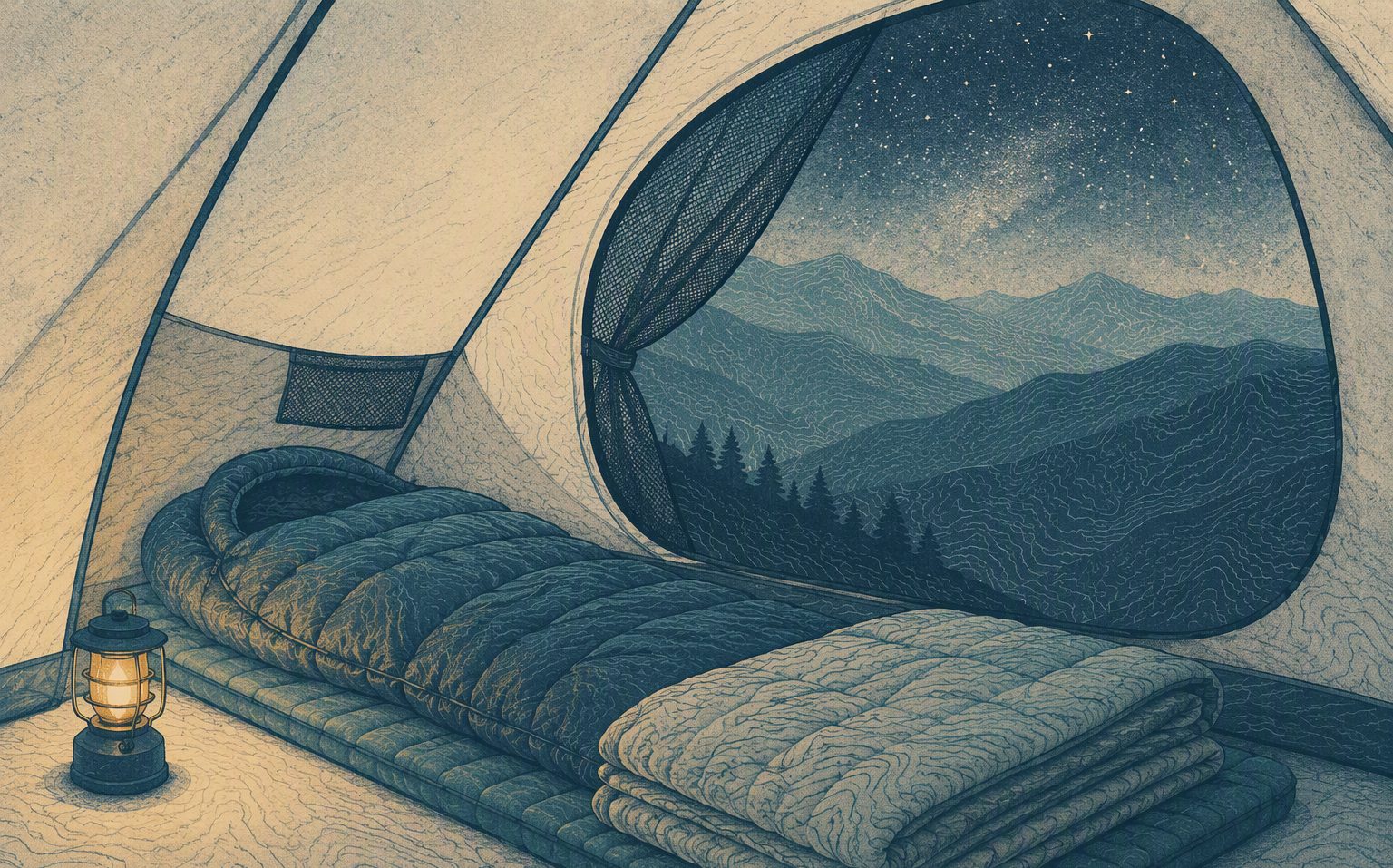
Use a ground pad beneath the sleeping bag to cushion your body and reduce heat-robbing moisture buildup. [1]
Match bedding to the night ahead
Use a sleeping bag that matches the temperature and weather conditions for your location and time of year. [1]
A ground pad adds cushioning and helps limit moisture beneath your body that can make you cold. [1]
Start with the campsite plan
Bring shelter and bedding as part of the basic setup for resting at camp. [1]
Check the weather forecast before you go and carry an extra layer for the conditions you could encounter. [2]
Where to compare
Retailer options with a clear use case.
Affiliate disclosure. We may earn a commission if a retailer link becomes an approved affiliate link. That never changes the editorial criteria on this page.
Retailer option
Insulated sleeping pad
Cold ground and side-sleeping comfortSee retailer optionsRetailer option
Three-season sleeping bag
Most fair-weather car-camping tripsSee retailer optionsSources
Verified July 13, 2026
- What to Bring — U.S. National Park Service; accessed 2026-07-29
- About Hiking Safety — U.S. National Park Service; accessed 2026-07-29
Common questions
Common questions
The details people ask before they go.
Who is this camping guide for?
It is for readers who want to make a clear camping decision before a real outing, not collect gear for its own sake.
What should I check before I buy?
Match the option to the conditions, trip duration, fit, and the other items it must work alongside. Read a retailer's current specifications before purchasing.
Are the retailer links recommendations?
They are starting points for comparing current options. We do not claim testing, price, or stock information we cannot verify.
Related notes